
Skip to content
Verified quality
Contact support
Physician recommendation required · Educational information, not medical advice
Dripfy
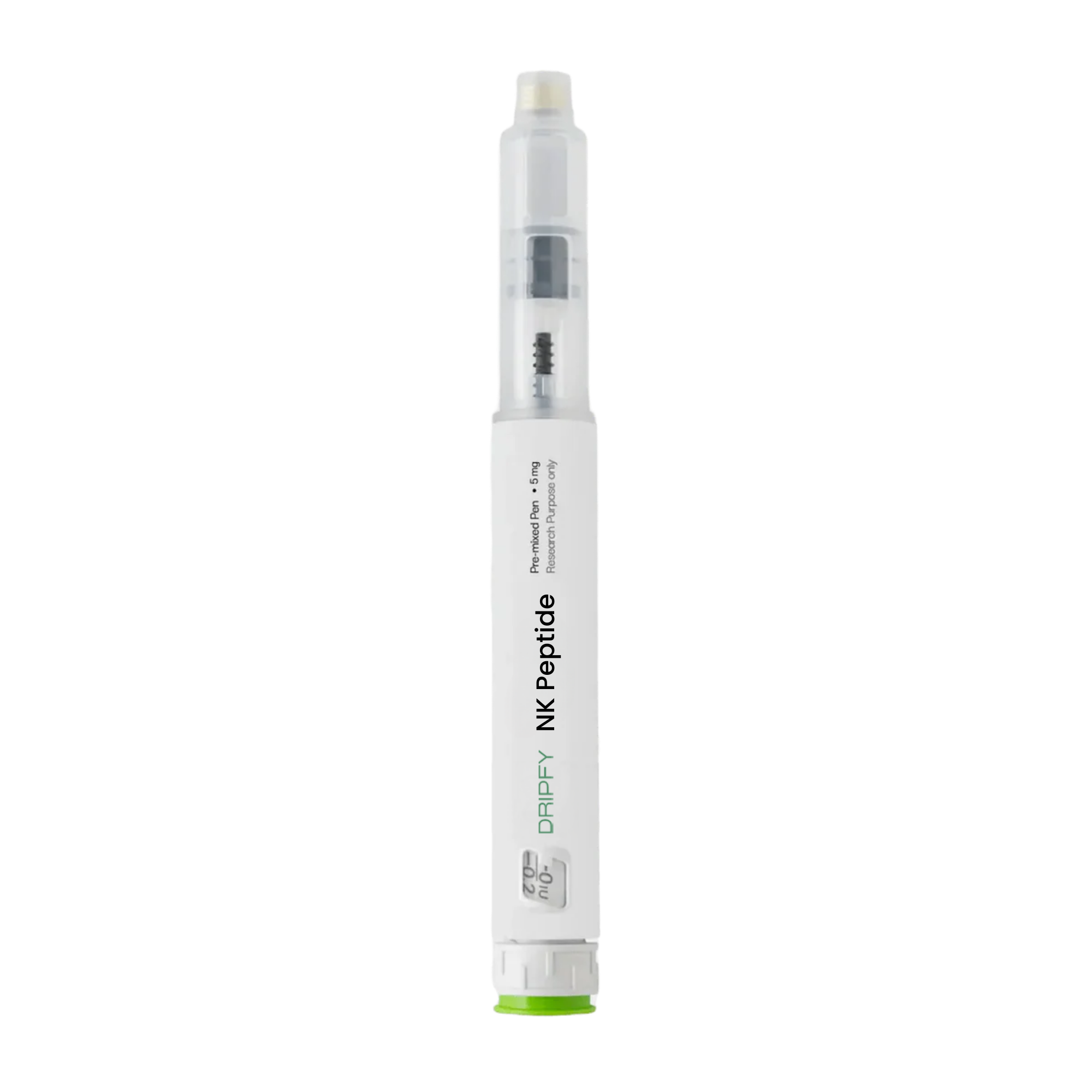
NK Peptide
≥99% HPLCPre-filled pen

NK Peptide

What it is?

NK Peptide is positioned to support the function of Natural Killer (NK) cells, a central component of innate immune surveillance. It is studied within frameworks focused on abnormal-cell recognition, early defence response, and immune resilience.

Dripfy Advantage

  • NK-cell activity support: Supports NK-cell functional activity markers associated with frontline immune surveillance.
  • Surveillance and clearance pathways: Positioned to enhance the identification and response to abnormal-cell signatures within innate immunity models.
  • Innate immune amplification (controlled): Often framed as strengthening innate defence readiness while maintaining balanced immune signalling.
  • Resilience-focused integration: Designed to complement broader immune-modulating stacks where coordination across innate and adaptive arms is tracked.

Clinical Applications & Therapeutic Potential

  • Immune surveillance endpoints: Potential support for strengthened NK-mediated surveillance markers and early-response readiness parameters.
  • Natural defence mechanisms: Potential enhancement of innate defence endpoints relevant to pathogen and abnormal-cell challenge models.
  • Systemic immune resilience: Positioned for improved resilience markers under high stress load, recovery phases, or age-related immune decline contexts.
  • Protocol synergy: Commonly integrated with thymic-support peptides where immune coordination and surveillance are dual endpoints.

Composition & Formulation

  • Concept/Class: NK-lysin / granulysin-family derived peptide concept (innate defense peptide class; “NK Peptide” aligns with this research family)
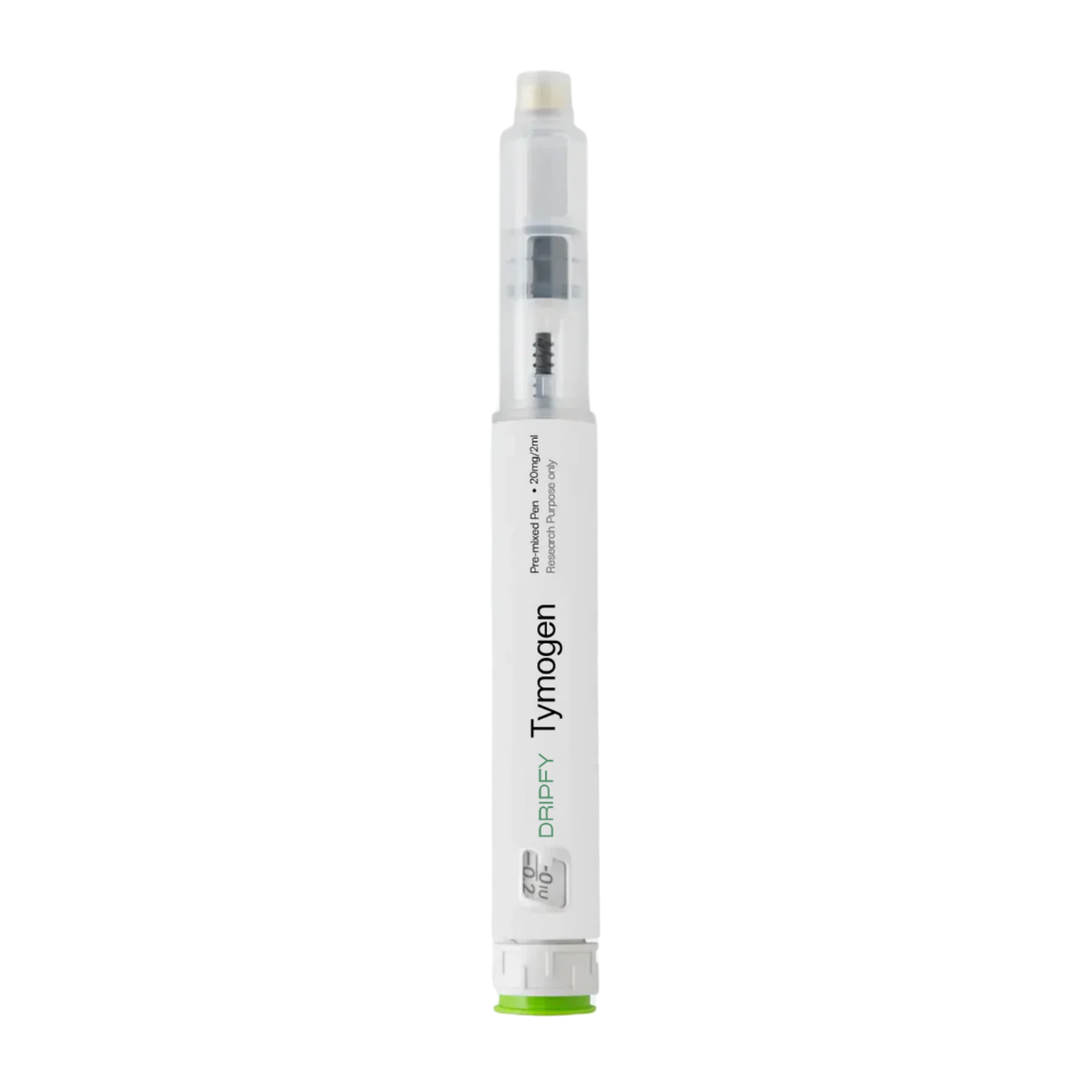
  • Format: Ready-to-use pre-filled pen
€406

Submit an enquiry and we arrange the consultation, physician review and shipping. Physician recommendation required; not medical advice.

Purity
≥99%
Form
Pre-filled pen
Download Certificate of Analysis
Certificate of Analysis available on request

Important medical notice

  • A physician recommendation is mandatory before use.
  • The information on this website is educational only and is not medical advice, diagnosis, or treatment.
  • Always consult a qualified physician before starting any peptide.
  • Dosing is individualised and determined by your treating physician.

Peptide Practice Guide

Each card summarises what the peptide is studied for and its evidence strength. It is not a recommendation. Dosing and suitability are decided by your physician.

NK Peptide

Investigational immunomodulatory peptide (NK-cell-directed) · Pre-filled pen

D· Preliminary evidence

NK Peptide is presented as a compound intended to support the activity of natural killer (NK) cells, part of the innate immune system's early surveillance against infected and abnormal cells. The concept is to enhance recognition and clearance readiness while keeping immune signalling balanced. Robust, peer-reviewed human data defining a standardised 'NK peptide' are very limited.

Studied use areas

  • Explored conceptually for supporting innate immune surveillance
  • Studied within frameworks focused on NK-cell activity markers
  • Positioned within broader immune-modulation research stacks
  • Investigated for general immune-readiness endpoints

Safety & status

  • Investigational, with sparse published human data and poorly standardised identity and characterisation
  • Immune-stimulating approaches may be unsuitable for people with autoimmune disease or those who are immunosuppressed or transplant recipients
  • No established safety profile exists; it should be considered only under physician supervision

Clinical note: This is educational information, not medical advice. NK Peptide is investigational and poorly characterised, with no established evidence base, so no benefit can be promised. It is not a substitute for proven immune care and should only ever be considered under qualified physician supervision.

Evidence: Grade D — poorly characterised, with very limited published human evidence · References: peer-reviewed innate-immunity and NK-cell literature; investigational immunomodulatory peptide reviews; general immunology reference sources
Related peptides