
What are peptides?
Updated:
A plain-language introduction to peptides — what they are, how they differ from proteins, and how research peptides are handled in the laboratory.
Definition
A peptide is a short chain of amino acids linked by peptide bonds. Chains of roughly 2–50 amino acids are called peptides; longer chains fold into proteins. This size makes peptides useful reference molecules in biochemical research.
Peptides vs proteins
The line between a long peptide and a small protein is one of size and structure. Peptides are typically too short to form a stable three-dimensional fold, whereas proteins adopt defined structures that determine their function.
Handling & storage
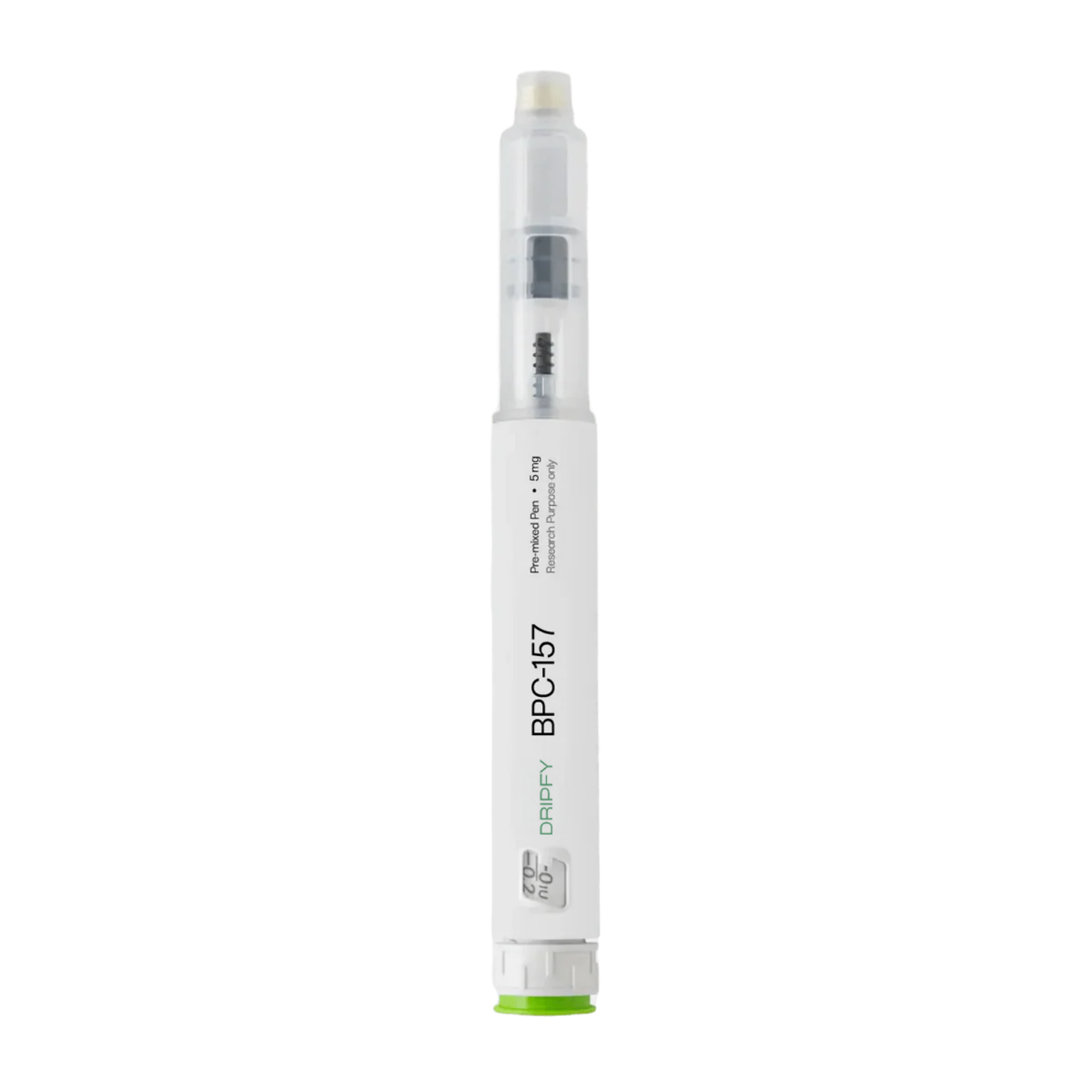
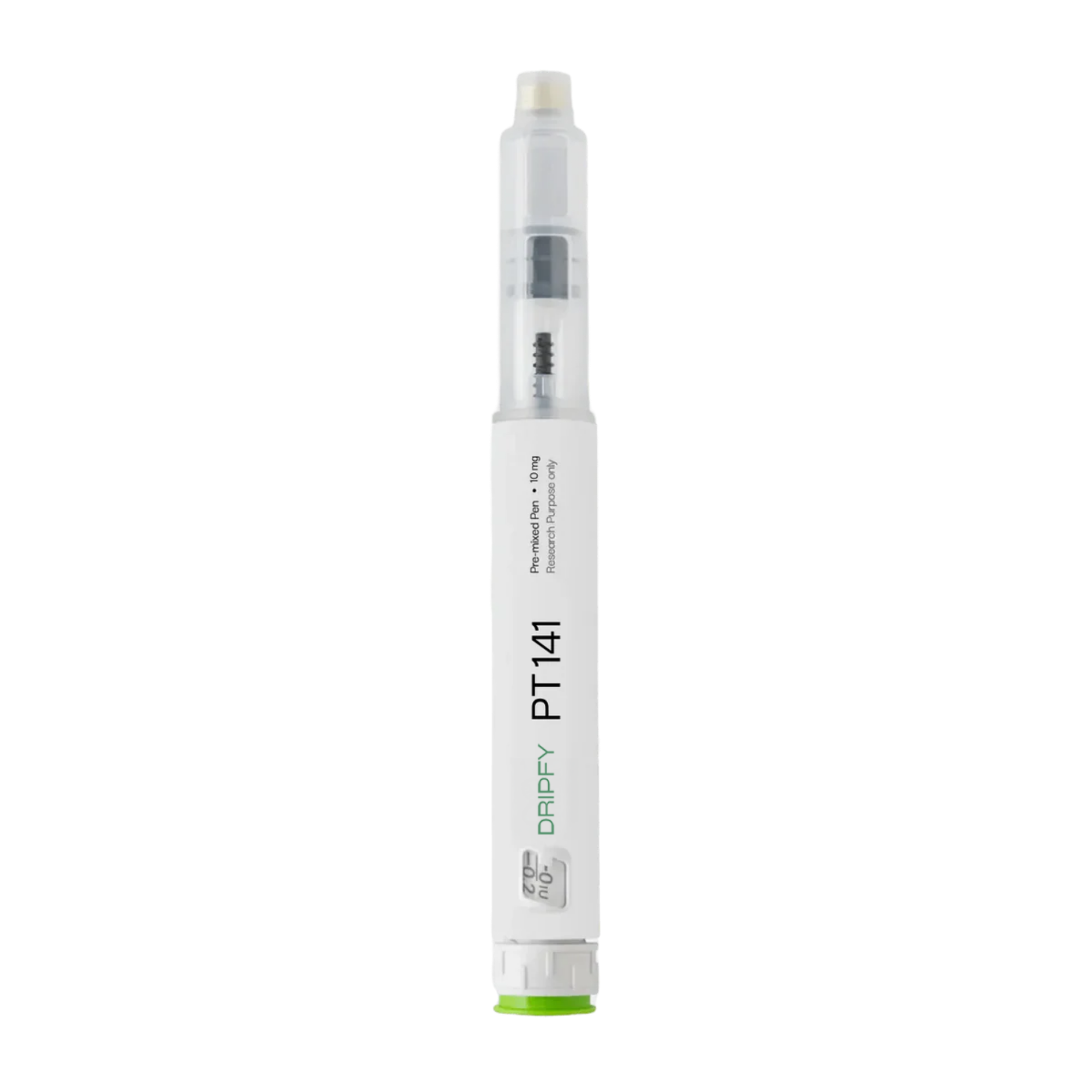
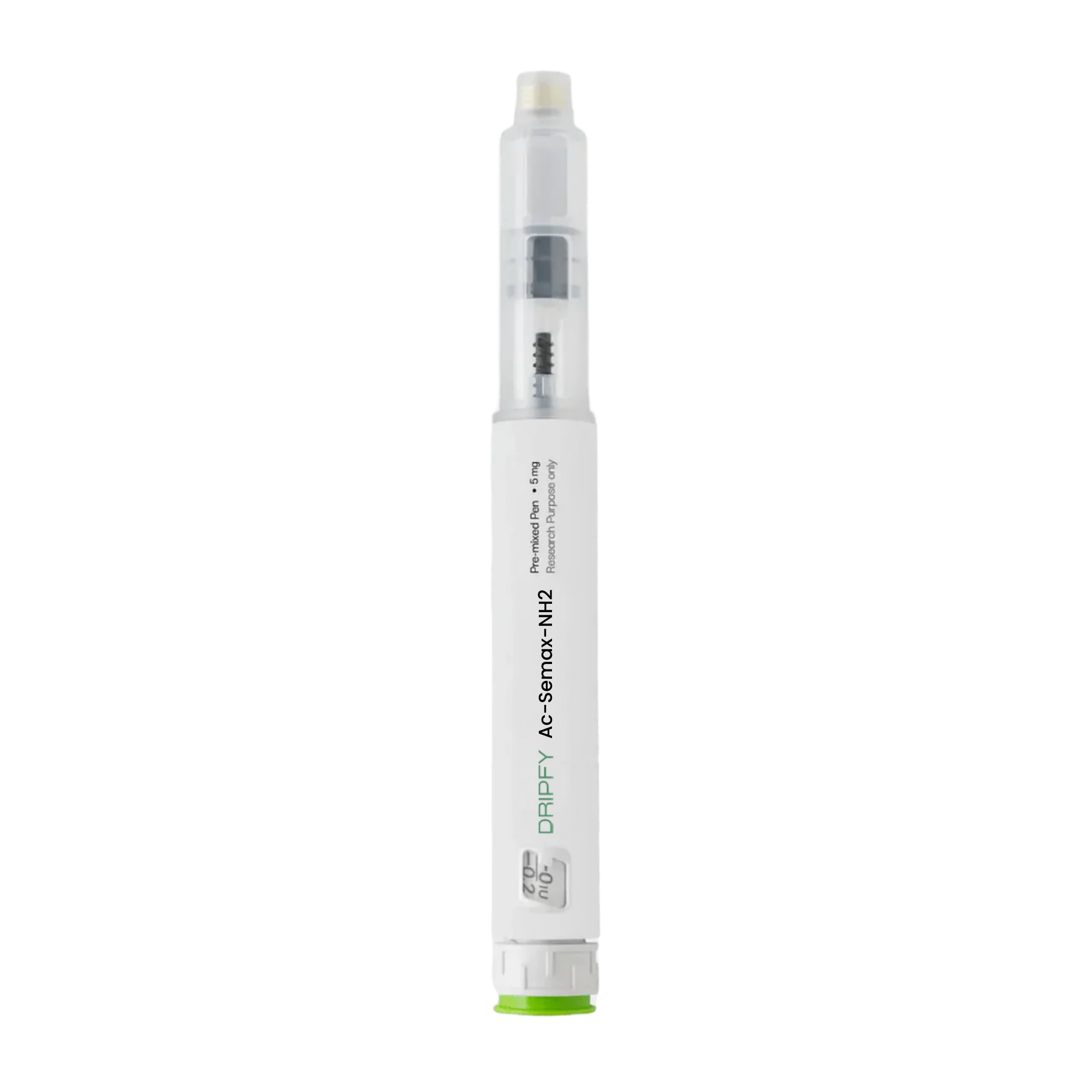
Dripfy peptides are supplied as ready-to-use pre-filled pens or nasal sprays — no mixing or reconstitution is required. Store each product as printed on the label (refrigerated where indicated), keep it out of light, and use within the labelled period. A batch Certificate of Analysis documents purity and identity. Use is under physician supervision.
Educational content for researchers. Not medical advice; no health claims are made.