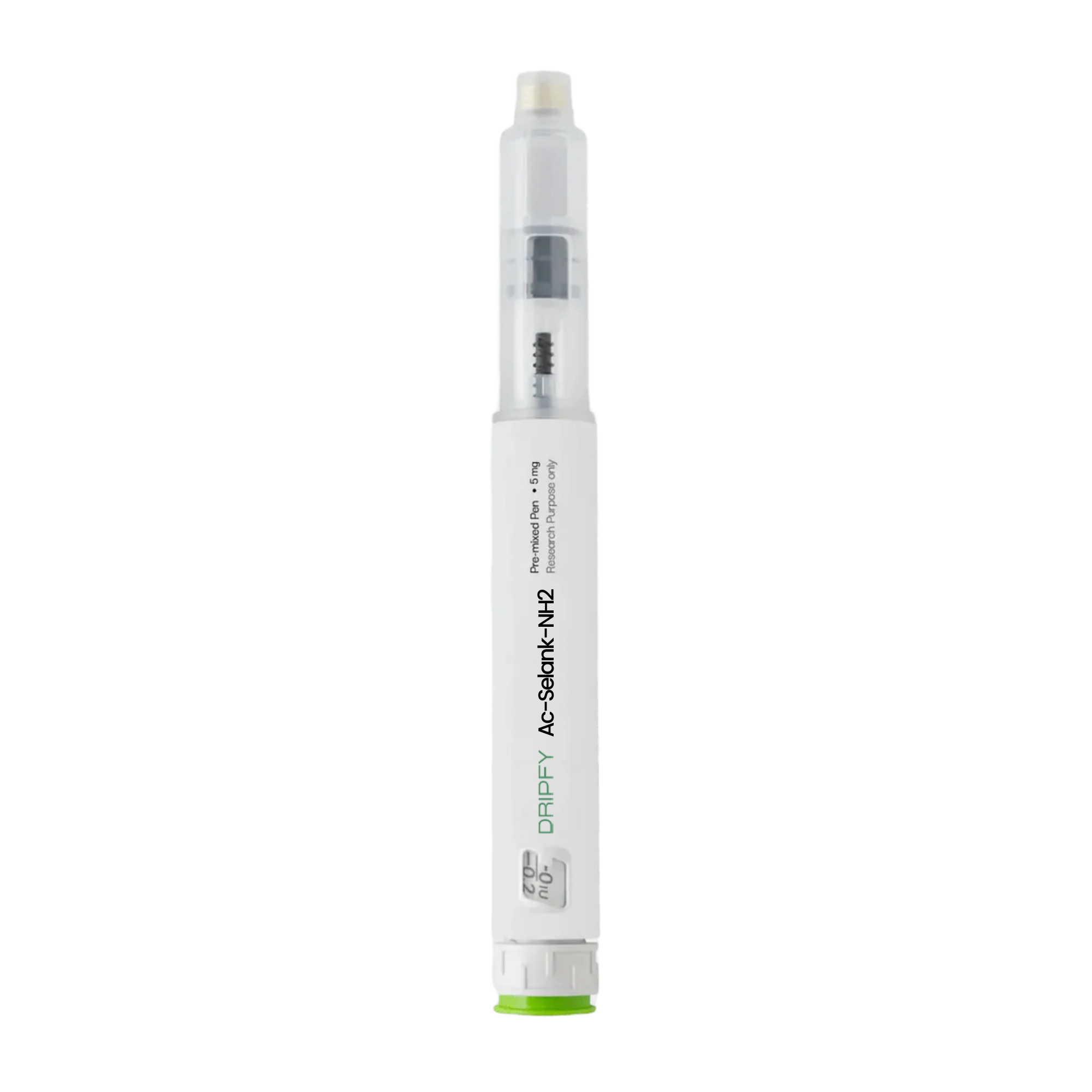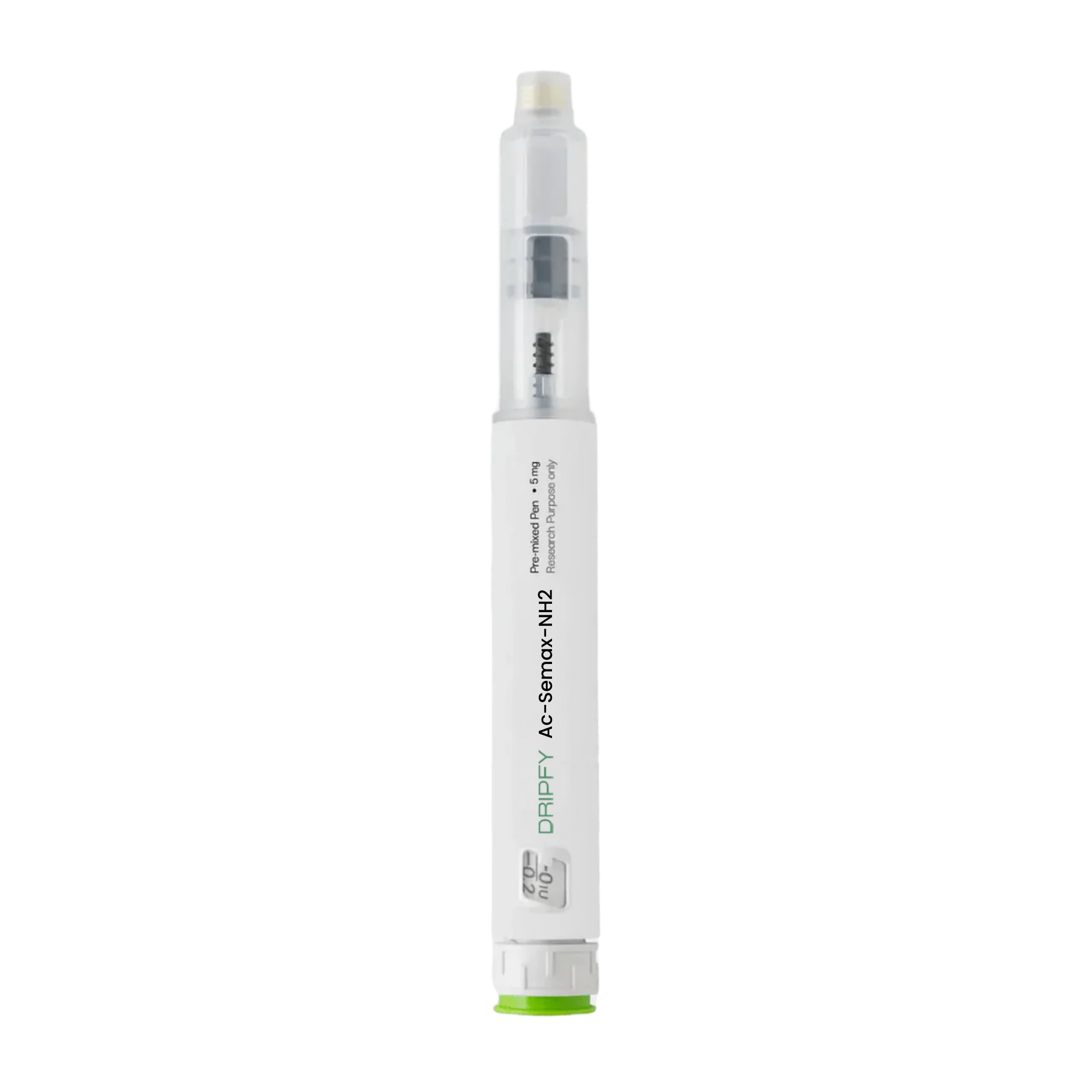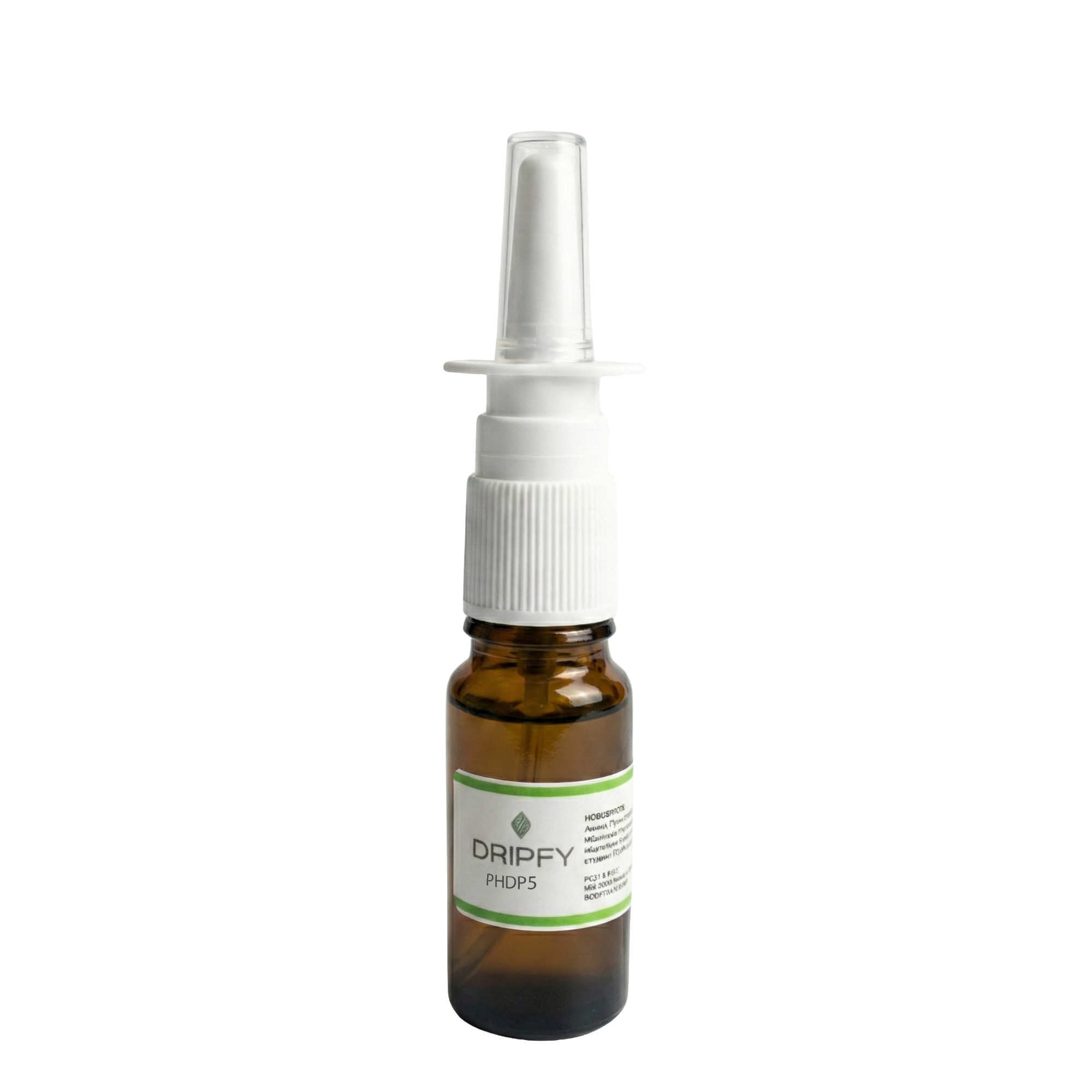

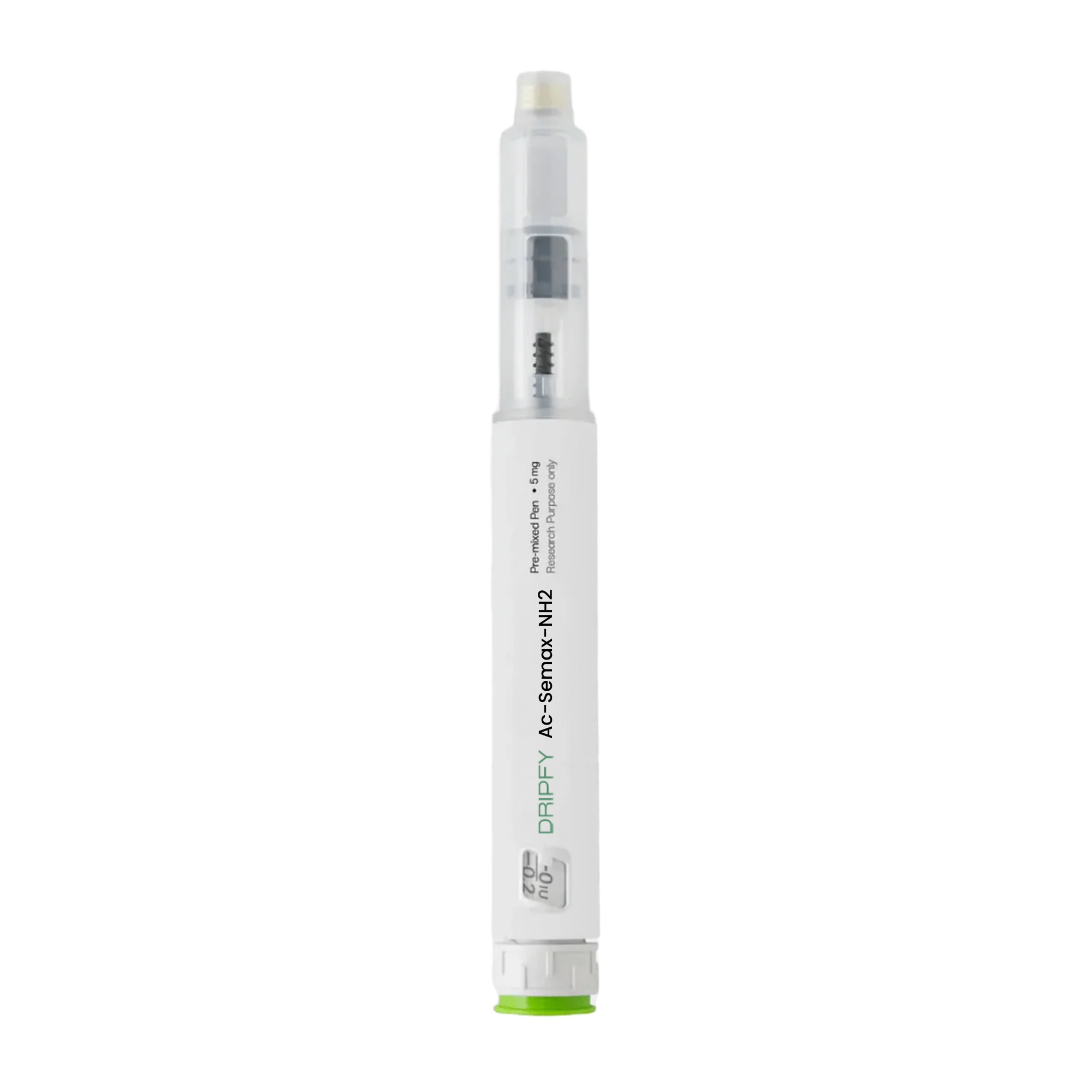
AC-Selank + AC-Semax (Nasal Spray)
Investigational nootropic/anxiolytic peptide blend, intranasal (Selank + Semax) · Intranasal spray
This intranasal blend combines two Russia-region peptides. Selank is a tuftsin-derived heptapeptide studied for anxiolytic effects and neuro-immune modulation. Semax is a synthetic analog of the ACTH(4-10) fragment investigated for nootropic and neuroprotective signalling, including associations with brain-derived neurotrophic factor (BDNF) and dopaminergic and serotonergic pathways. Intranasal delivery is used to explore nose-to-brain access; in Russia these peptides are regulated for certain uses, while elsewhere they remain investigational and unapproved, and the combined effect is not characterised in controlled human studies.
Studied use areas
- Investigated for attention and mental-fatigue support (Semax component)
- Studied for stress-response and anxiety-related signalling (Selank component)
- Explored in early research for neuroprotective and neurotrophic (BDNF) pathways
- Positioned for physician-directed research combining focus and calm pathways
Safety & status
- Outside Russia these peptides are investigational and not EU/UK-approved; combined human safety and efficacy data are limited
- Blending two actives compounds the uncertainty, and intranasal delivery can cause local nasal irritation — physician supervision is mandatory
- Not for use in pregnancy or breastfeeding, and not a treatment for any neurological or psychiatric condition
⚕ Clinical note: This is educational information, not medical advice. This Selank + Semax intranasal blend is investigational and unapproved in the EU/UK, and combining compounds increases the uncertainty; it is intended for physician-directed use only and is not a treatment for any cognitive, neurological, or psychiatric condition.
Evidence: Grade D — investigational; limited human data, mainly preclinical · References: Dolotov OV et al., Journal of Neurochemistry, 2006; Zozulya AA et al., Bulletin of Experimental Biology and Medicine, 2001; Medvedeva EV et al., Journal of Molecular Neuroscience, 2013