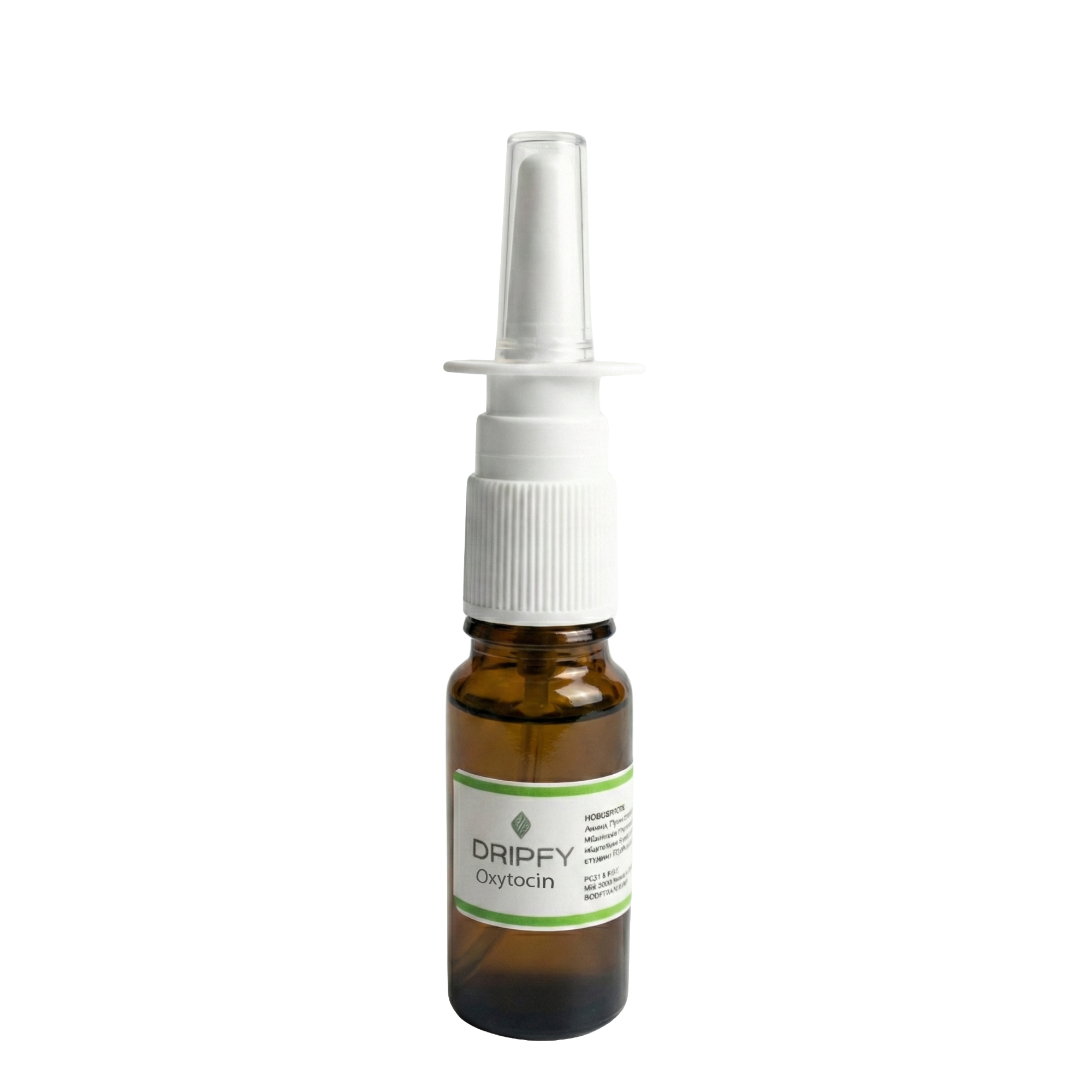

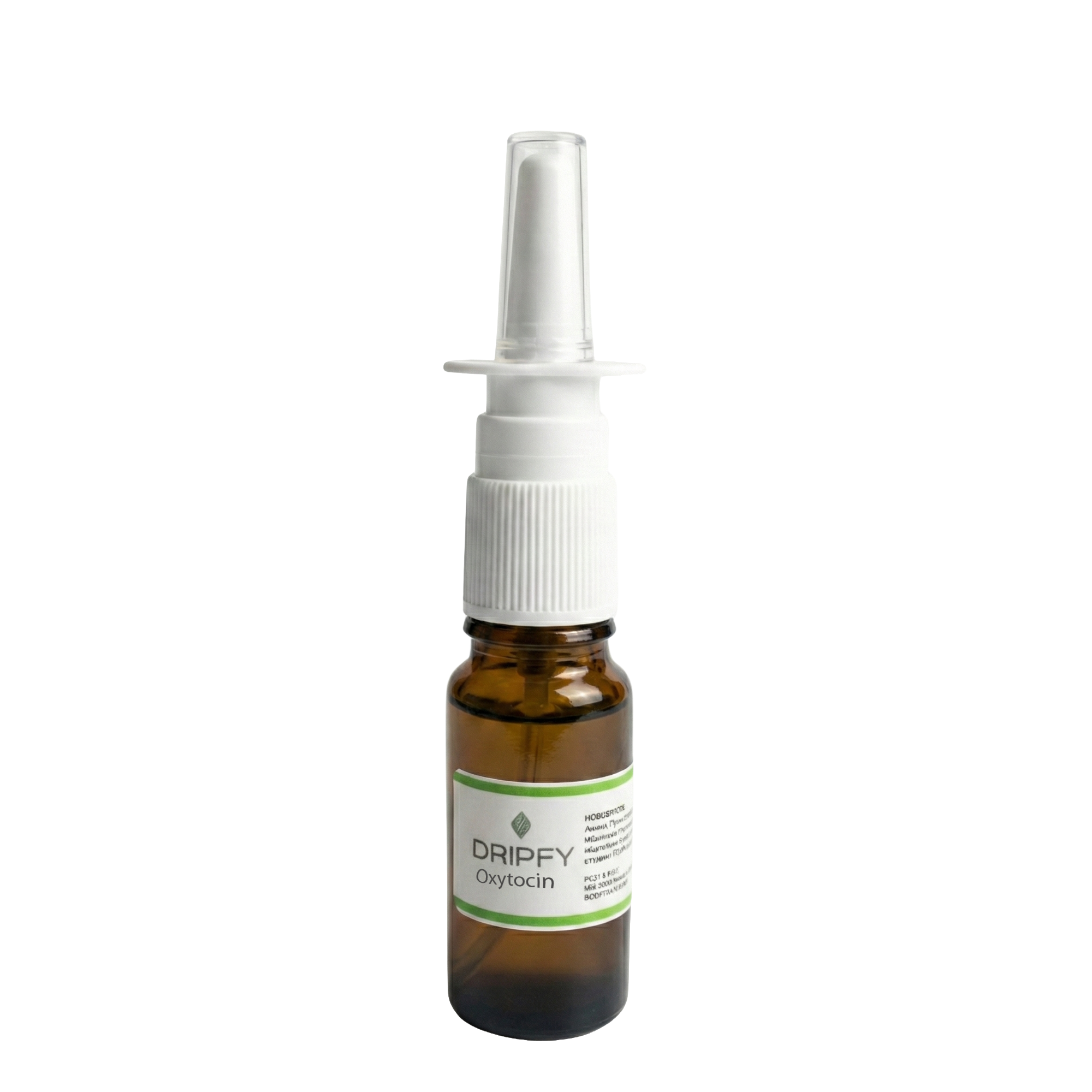
Oxytocin (Intranasal Spray)
Neuropeptide / oxytocin receptor (OXTR) agonist (intranasal) · Intranasal spray
Oxytocin is a neuropeptide that binds oxytocin receptors (OXTR) in the central nervous system, where it is involved in social bonding, trust, and the modulation of stress and anxiety. Intranasal delivery is used to favour central engagement without injection. Any effect on sexual response is thought to be indirect — mediated through bonding and stress pathways rather than direct genital action.
Studied use areas
- Research on social bonding, trust and affiliative behaviour
- Study of stress- and anxiety-related signalling that may indirectly affect intimacy
- Exploration of emotional connection in couple- and intimacy-focused research
- Sexual-wellness contexts where CNS bonding pathways are of interest
Safety & status
- Investigational for sexual health; nasal oxytocin sprays for this purpose are not an approved treatment, and injectable oxytocin is itself a prescription medicine used in other settings
- Nasal-spray use may cause local nasal or throat irritation; compounded products vary in quality and content
- Oxytocin stimulates uterine contractions; it must not be used during pregnancy outside obstetric supervision
- Not medical advice — any use should be under physician supervision with appropriate screening
⚕ Clinical note: This content is educational only and is not medical advice or a guarantee of any outcome. Oxytocin's use for sexual health is investigational; any consideration of it should take place under the guidance of a qualified physician.
Evidence: Grade C — investigational for sexual health; some human data on bonding and stress, but evidence for a libido benefit is limited and inconsistent. · References: Peer-reviewed social-neuroscience and neuroendocrinology literature on oxytocin; Clinical research on intranasal oxytocin; EMA/MHRA product information for oxytocin